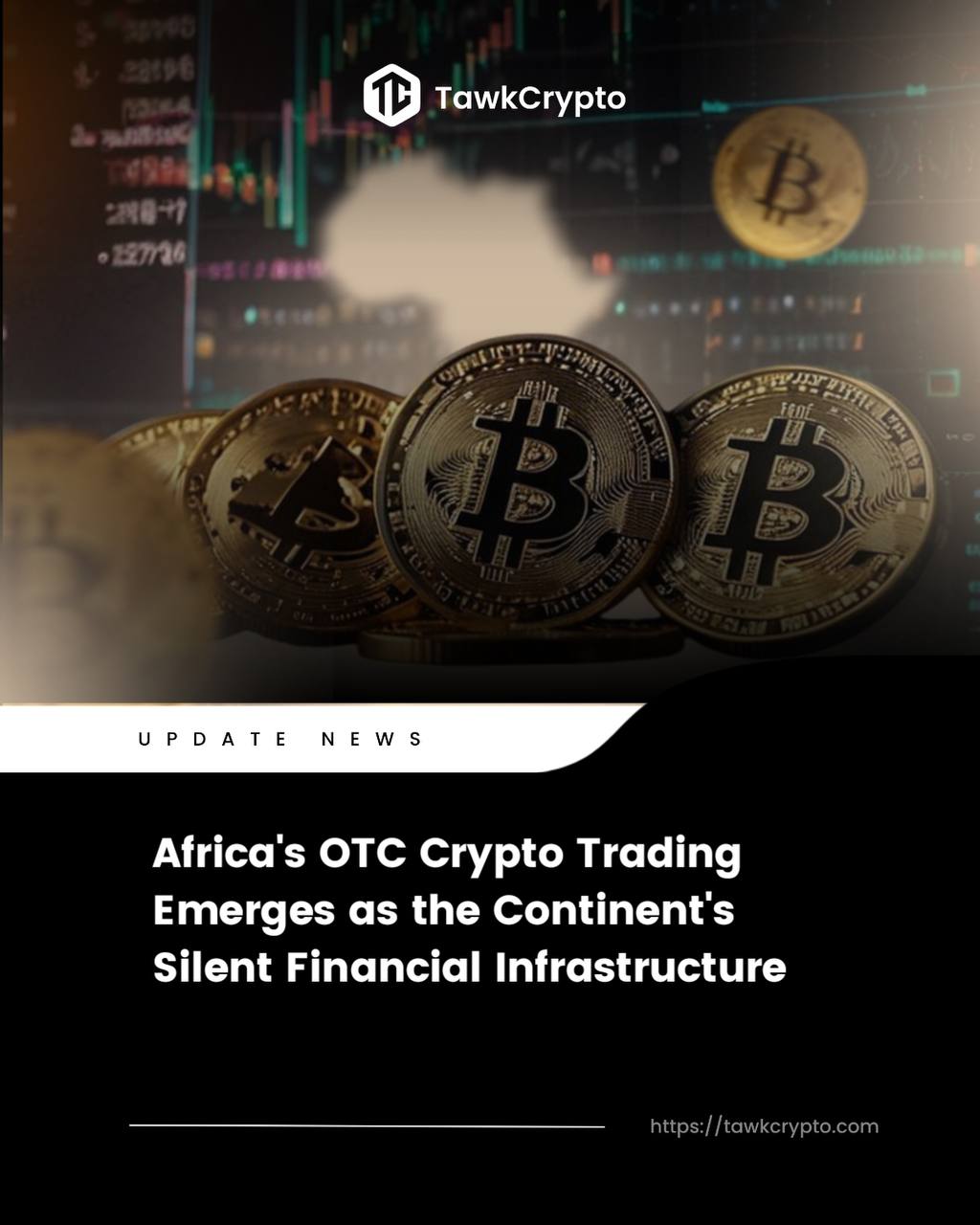
The evolution of cryptocurrency adoption in Africa has taken an unexpected turn, with over-the-counter (OTC) trading emerging as the primary engine driving the continent’s digital finance transformation, according to groundbreaking research from Quidax, a prominent African digital asset exchange.
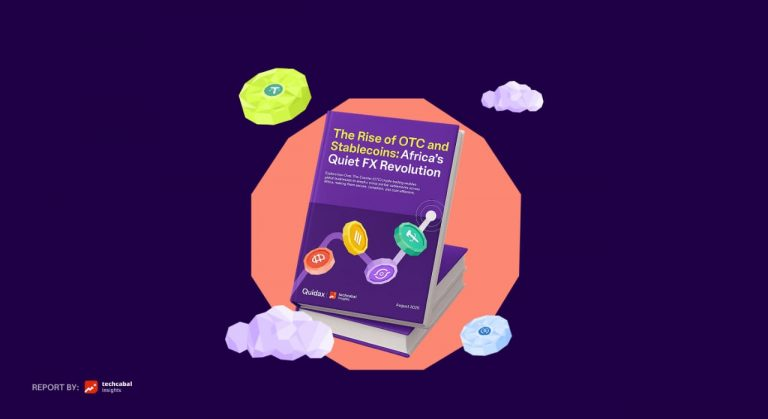
The comprehensive sectorial report, titled ‘Africa’s Quiet Crypto Revolution’, unveils how large-scale OTC cryptocurrency transactions, traditionally the domain of institutional investors and high-net-worth individuals, have become the preferred settlement mechanism for businesses conducting cross-border operations throughout African markets.
The OTC Trading Advantage in African Markets
Over-the-counter cryptocurrency trading differs fundamentally from conventional exchange-based transactions. While traditional crypto exchanges operate with visible order books where prices fluctuate with market demand, OTC trades occur privately between counterparties, enabling substantial volumes to change hands without triggering market volatility or price slippage.
This characteristic has proven particularly valuable for African businesses navigating the continent’s complex financial landscape, where currency instability, limited banking infrastructure, and lengthy international transfer processes have historically constrained commercial operations.
“Our OTC desk isn’t just facilitating crypto trades; it’s powering real-world business settlements across Africa,” the Quidax report states. “For companies moving millions across borders, OTC trading is faster, cheaper, and more predictable than traditional finance.”
Explosive Growth in Global and African OTC Volumes
The report documents remarkable expansion in OTC cryptocurrency activity, with global OTC trading volumes surging 106 percent throughout 2024. Stablecoins, digital assets pegged to fiat currencies like the US dollar, dominated these transactions, reflecting growing institutional confidence in cryptocurrency-based settlement systems.
African markets have participated vigorously in this expansion, with businesses increasingly adopting stablecoins such as Tether (USDT) and USD Coin (USDC) to circumvent traditional banking limitations. These digital dollars provide companies with stable value stores that protect against local currency depreciation while enabling near-instantaneous international transactions.
The strategic shift toward OTC stablecoin settlements addresses multiple pain points simultaneously: currency risk mitigation, transaction speed improvement, cost reduction, and enhanced financial predictability, all critical factors for businesses operating in Africa’s dynamic economic environment.
Real-World Applications Transforming African Commerce
The practical impact of OTC cryptocurrency trading extends across numerous commercial sectors throughout the continent. Fintech companies, import-export businesses, digital service providers, and international partners have embraced OTC channels as their primary settlement infrastructure.
NevaCommerce, a European e-commerce company featured in the Quidax report, exemplifies this transformation. The firm successfully replaced traditional USD wire transfers to Nigerian business partners with stablecoin settlements facilitated through Quidax’s OTC desk, reducing transaction completion times from multiple days to mere minutes while simultaneously lowering transfer costs.
This acceleration carries significant implications beyond simple convenience. Faster settlement cycles improve working capital management, reduce foreign exchange exposure windows, and enable businesses to respond more dynamically to market opportunities, competitive advantages that prove especially valuable in Africa’s fast-moving commercial landscape.
Infrastructure Development Supporting Enterprise Integration
Recognizing that institutional adoption requires seamless integration with existing business systems, Quidax has developed comprehensive API infrastructure allowing fintech platforms and enterprises to embed OTC trading functionality directly into their operational frameworks.
These application programming interfaces enable automated settlement processes that can execute in either stablecoins or local currencies, depending on business requirements. The technology eliminates manual intervention, reduces settlement risk, and provides the transaction reliability that large-scale commercial operations demand.
“Quidax is building Africa’s most reliable bridge between global crypto liquidity and local business payments,”
the company stated, emphasizing its positioning as essential financial infrastructure rather than merely a cryptocurrency trading platform.
The Business-to-Business Crypto Adoption Wave
Perhaps the report’s most significant finding concerns the demographic driving Africa’s cryptocurrency revolution. Contrary to narratives emphasizing individual retail adoption, Quidax’s research demonstrates that businesses, not consumers, are propelling the continent’s next wave of crypto integration.
This business-focused adoption pattern suggests deeper, more sustainable cryptocurrency penetration than retail speculation cycles typically generate. When companies embed digital asset infrastructure into core operational processes, they create persistent demand divorced from speculative market dynamics.
The report characterizes OTC trading as “Africa’s invisible financial infrastructure,” recognizing its role underpinning diverse economic activities including international commerce, gig economy compensation systems, remittance flows, and fintech platform operations.
Regulatory Evolution and Future Growth Projections
As African governments develop clearer digital currency frameworks and fintech regulatory structures mature across the continent, the conditions for exponential OTC trading growth continue strengthening.
The Quidax report projects substantial expansion in stablecoin-settled payment volumes over the next 24 months, with particularly robust growth anticipated in import-export financing, international digital services, and business-to-business settlements.
Several African nations have already begun establishing cryptocurrency regulatory frameworks, balancing innovation encouragement with consumer protection and financial stability objectives. This regulatory clarity reduces operational uncertainty for businesses considering cryptocurrency integration, potentially accelerating OTC adoption rates.
Implications for Africa’s Financial Future
The emergence of OTC cryptocurrency trading as core financial infrastructure carries profound implications for Africa’s economic development trajectory. By providing businesses with efficient cross-border settlement mechanisms independent of correspondent banking relationships and SWIFT networks, OTC crypto channels reduce Africa’s reliance on legacy financial infrastructure that has historically underserved the continent.
This infrastructure independence potentially accelerates African integration into global commerce networks, reduces transaction friction for African exporters accessing international markets, and attracts foreign direct investment by simplifying repatriation and operational fund flows.
Moreover, as businesses normalize cryptocurrency usage for large-scale settlements, they create ecosystems that support broader financial innovation, from supply chain financing using digital assets to automated smart contract-based trade agreements.
Stablecoin Dominance and Currency Stability
The report’s emphasis on stablecoin predominance within OTC volumes highlights how businesses prioritize value stability over speculative appreciation potential. For commercial operations, predictable pricing matters more than investment returns, explaining why dollar-pegged stablecoins capture the majority of business-to-business cryptocurrency flows.
This preference also reflects persistent currency volatility challenges across numerous African markets. Businesses operating in countries experiencing inflation or exchange rate instability increasingly view stablecoins as practical operational tools rather than speculative assets, a pragmatic adoption pattern that differs markedly from retail cryptocurrency investment behaviors.
The Path Forward
Quidax’s research illuminates a cryptocurrency adoption narrative far removed from speculative trading headlines. Instead of focusing on price volatility and retail investment trends, the report documents how digital assets are quietly becoming essential business infrastructure, enabling commercial activities that traditional finance struggles to support efficiently.
As this “quiet revolution” continues unfolding, Africa’s position within the global cryptocurrency ecosystem appears increasingly distinctive. Rather than simply importing crypto products designed for developed markets, African businesses are pioneering practical applications addressing continent-specific challenges, from currency instability to banking access limitations.
The next chapter of Africa’s cryptocurrency story may well be written not by individual traders, but by businesses discovering that digital asset infrastructure offers competitive advantages impossible to achieve through traditional finance alone.