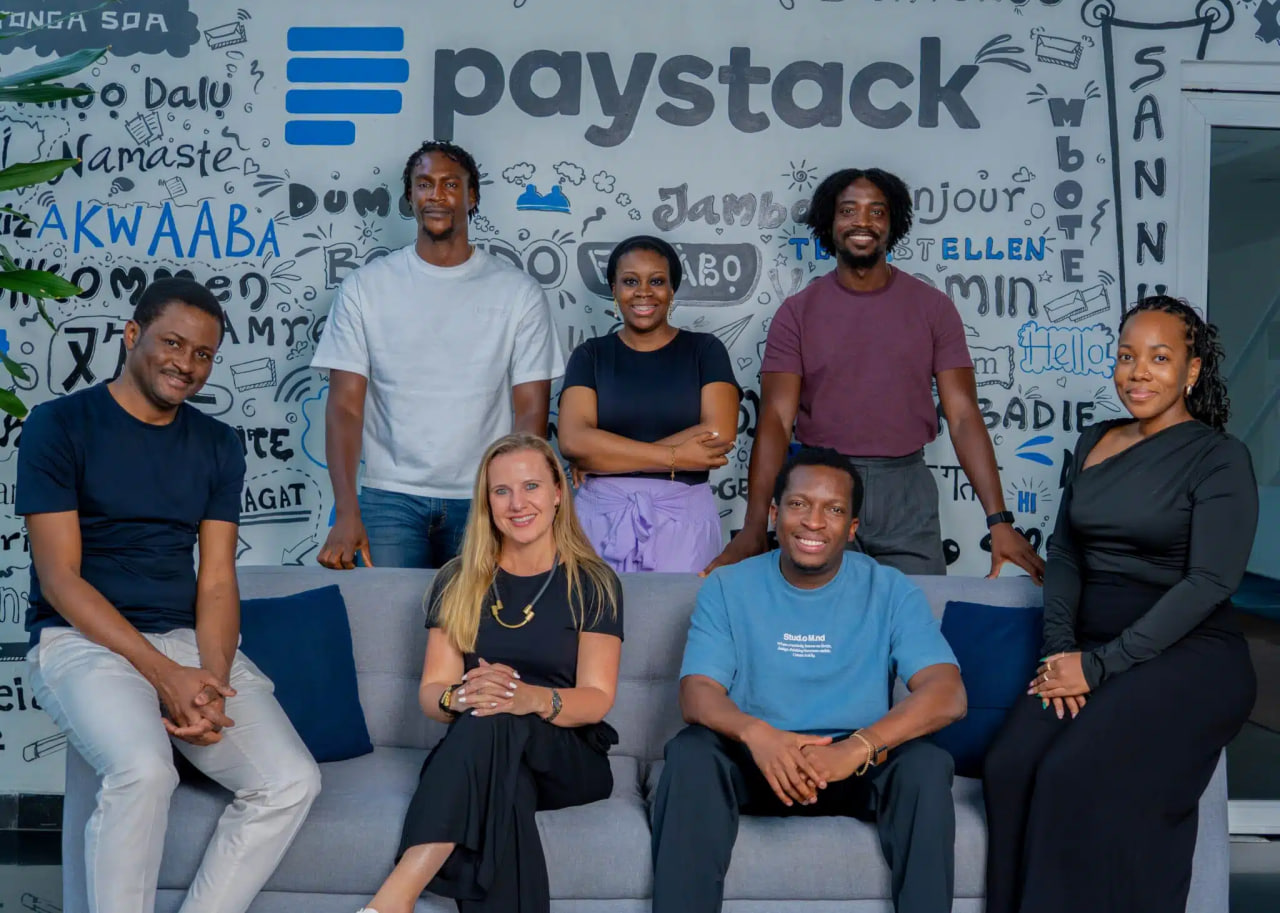
After a decade of transforming digital payments across Africa, Paystack is setting its sights on what could be its most ambitious venture yet: stablecoins. The Stripe-owned Nigerian fintech powerhouse has announced that blockchain-based digital currencies will form a “major theme” of its strategy over the next ten years, marking a significant evolution in how money moves across the continent.
A Milestone Anniversary With Future-Facing Vision
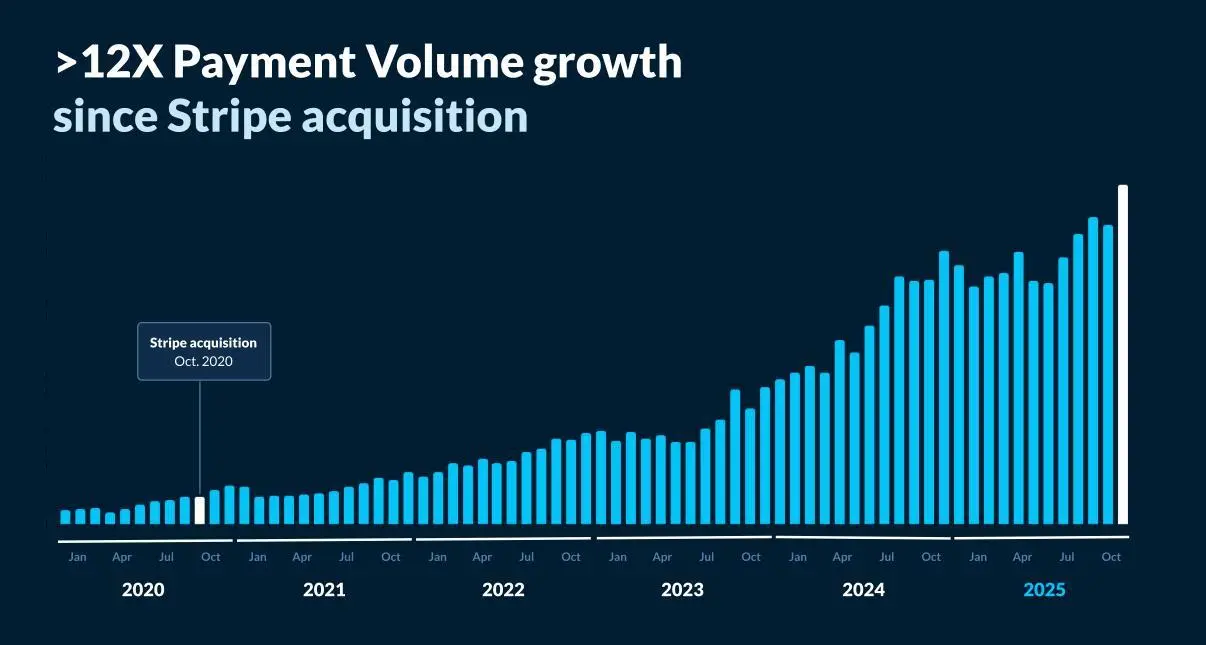
As Paystack celebrates its 10th anniversary, the company isn’t resting on past achievements. Instead, it’s positioning itself at the intersection of traditional African finance and cutting-edge blockchain technology. Since Stripe acquired the Lagos-based company in 2020, Paystack’s payment volumes have exploded, growing more than twelvefold and cementing its position as a critical infrastructure player across multiple African markets.
But the real story isn’t just about growth, it’s about where Paystack is headed next.
Introducing The Stack Group: A New Corporate Structure for New Ambitions
In a move that signals just how serious the company is about diversifying beyond traditional payment processing, Paystack has unveiled The Stack Group (TSG), a new parent organization designed to house its expanding portfolio of financial services.
The Stack Group will operate across four key verticals:
- Payments – The core business that built Paystack’s reputation
- Banking services – Expanding access to financial infrastructure
- Consumer finance – Products aimed at everyday users across Africa
- TSG Labs – A dedicated technology arm focused on emerging innovations
It’s this last division, TSG Labs, that has caught the attention of fintech observers and crypto enthusiasts alike. The lab has been explicitly tasked with exploring and implementing blockchain-linked financial infrastructure, with stablecoins taking center stage.
The Stablecoin Play
Perhaps the most significant revelation in Paystack’s anniversary announcement is that the company is in the final stages of securing a stablecoin license in what it describes as a “key market.” While specific details remain under wraps, this licensing push indicates Paystack’s intention to either build or issue its own stablecoin, digital currencies pegged to stable assets like the U.S. dollar.
Stablecoins represent a fundamental reimagining of how money moves globally. Unlike traditional banking systems that can take days to process cross-border transactions and charge hefty fees, stablecoins operate on blockchain networks that enable near-instant settlements with dramatically lower costs.
For African businesses and consumers who regularly face high remittance fees and slow international transfers, stablecoin infrastructure could be genuinely transformative.
Paystack’s pivot toward stablecoins doesn’t exist in isolation. Its parent company, Stripe, has become one of the most aggressive builders in the blockchain payments space, and Paystack stands to benefit enormously from this strategic direction.
Stripe’s Recent Stablecoin Initiatives Include:
Tempo Blockchain Launch: In partnership with crypto investment firm Paradigm, Stripe developed Tempo, a purpose-built blockchain optimized specifically for stablecoin payments, remittances, and high-speed micropayments. This infrastructure provides the technical backbone for the next generation of digital money movement.
Bridge Acquisition: Stripe’s purchase of stablecoin platform Bridge has enabled it to launch Open Issuance, a product that allows businesses to create and manage their own branded stablecoins. This white-label approach could eventually power Paystack’s own stablecoin offerings.
Real-World Adoption: Major fintech players are already moving. In November 2025, Swedish buy-now-pay-later giant Klarna launched KlarnaUSD, becoming the first bank to issue a stablecoin on Stripe’s Tempo blockchain. With Klarna’s 114 million customers now having access to stablecoin functionality, it’s clear that this technology is moving from experimental to mainstream.
The numbers speak volumes: stablecoin transactions already exceed $27 trillion annually, demonstrating massive existing demand for this type of digital infrastructure.
The Broader Stablecoin Momentum
Paystack’s move comes at a moment when stablecoins are experiencing unprecedented growth and mainstream acceptance. Traditional financial institutions that once dismissed cryptocurrency are now actively building stablecoin infrastructure, recognizing these digital assets as legitimate tools for solving real payment problems.
With over $13 billion in stablecoins locked on Ethereum Layer 2 networks alone as of late 2024, and Tether’s USDT continuing to dominate usage, the infrastructure supporting these assets has matured considerably. This creates a more favorable environment for companies like Paystack to build consumer-facing products without worrying about underlying technical instability.
A Bridge Between Two Financial Worlds
As Africa’s digital economy continues its rapid expansion, the continent faces a unique opportunity to leapfrog some of the legacy infrastructure that constrains financial innovation in developed markets. Just as many African nations moved directly to mobile communications without building extensive landline networks, blockchain-based payment systems could enable similar technological leapfrogging in finance.
Paystack, with its established merchant relationships, proven operational capabilities, and backing from a global payments leader invested heavily in blockchain technology, sits in an enviable position to serve as a bridge. On one side: traditional African banking and commerce. On the other: the emerging world of programmable, internet-native digital dollars.
The company’s next decade promises to be far more transformative than its first, not just processing payments, but fundamentally reshaping how money moves across Africa’s diverse and dynamic markets. With stablecoins as a cornerstone of this vision, Paystack is betting that the future of African finance will be digital, borderless, and built on blockchain rails.