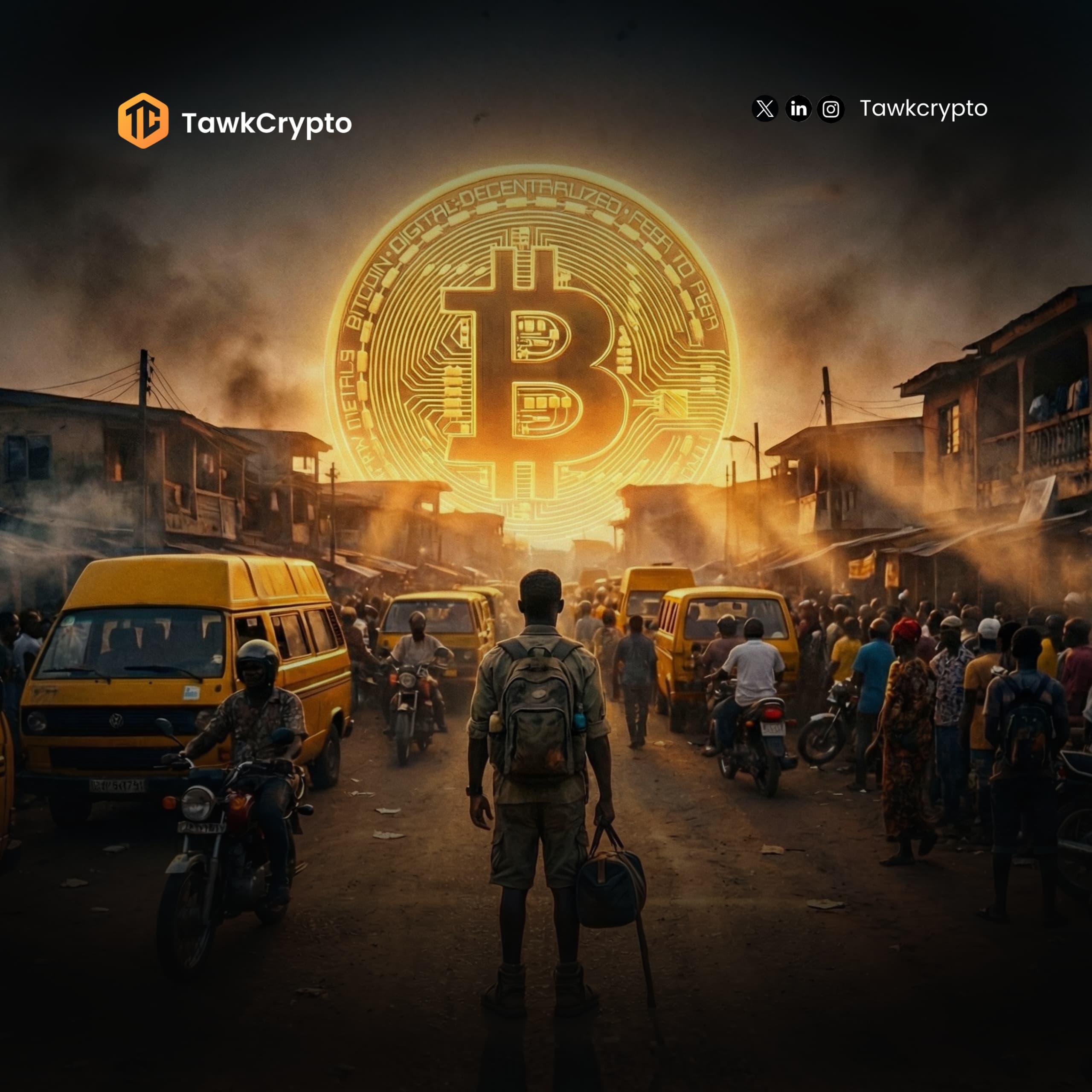
Buying Bitcoin in Nigeria has become much easier in 2026 thanks to clearer regulations and new options. In this guide, we’ll explain what Bitcoin is, the legality of crypto in Nigeria, and step-by-step instructions for buying Bitcoin on local exchanges (like Roqqu, Quidax, Luno,) and international platforms (Bybit, KuCoin). We’ll also cover peer-to-peer (P2P) trading, choosing safe platforms, avoiding scams, and how to store your Bitcoin securely.
What is Bitcoin?
Bitcoin is the first and most famous cryptocurrency, essentially digital money. It was created in 2009 as a form of “electronic money” that you can send directly to others without a bank. Bitcoin operates on a technology called the blockchain, which lets people do peer-to-peer transactions securely, without needing a central authority. Because there will only ever be 21 million Bitcoin, many people call it “digital gold.”
Is Buying Bitcoin Legal in Nigeria (2026 Update)?
Yes, buying and holding Bitcoin is legal in Nigeria as of 2026. The Nigerian government now recognizes crypto under its regulatory framework. In fact, the new SEC Act of 2025 (ISA 2025) officially classifies crypto as “securities” and brought crypto exchanges under Securities and Exchange Commission (SEC) oversight. In late 2023 the Central Bank of Nigeria (CBN) lifted its ban on banks servicing crypto businesses, issuing guidelines allowing licensed crypto firms to open bank accounts.
In practice, this means Nigerian exchanges that get an SEC license (or provisional license) can accept Naira deposits. However, note that regulators have talked about delisting the naira on P2P markets to stabilize the currency. In short: crypto is legal and regulated, but always use licensed platforms and stay updated on rules.
Understanding P2P Crypto Trading in Nigeria
P2P (peer-to-peer) trading is very popular in Nigeria. In a P2P trade, you buy Bitcoin directly from another person via a platform that holds the crypto in escrow. For example, on Bybit P2P or KuCoin P2P, you select an offer, agree on a price in Naira, and the seller locks Bitcoin on the platform. You then send Naira (usually by bank transfer or another local method) to the seller’s account. Once the seller confirms they’ve received the payment, the platform releases the Bitcoin to your wallet.
P2P gives Nigerians flexibility, you can often negotiate rates and use local payment methods, but it comes with scam risks (see below).
With new regulations, P2P trading must use CBN-compliant channels. Thanks to the 2023 guidelines, banks can now handle transactions to and from SEC-licensed exchanges. Some platforms even allow use of approved Nigerian stablecoins (like the cNGN stablecoin launched in 2025) to avoid currency restrictions.
In practice, this means if you stick to reputable exchanges that have bank integration or approved on-ramps, your P2P trade can be fully legal. Always use the built-in escrow on platforms and never trade off-platform (no chats or WhatsApp trades), and double-check payment proofs.
Below is a quick comparison of major platforms popular with Nigerians:
| Platform | Type | Payment Options | Fees | KYC/License |
| Roqqu | Nigerian CEX | Bank transfer, debit card | 0.4-0.8% | SEC-licensed |
| Quidax | Nigerian CEX | Bank transfer, USSD | 0.5% | SEC-provisional license |
| Luno | Global CEX | Bank transfer, debit card | 0.5-1% | Licensed in Nigeria (KYC) |
| Bybit P2P | Global P2P | P2P (bank transfers) | 0% trading fee | No Nigerian license |
| KuCoin P2P | Global P2P | P2P (bank transfers) | 0% trading fee | No Nigerian license; KYC on KuCoin |
| Fees can vary; always check current fee schedules. P2P platforms advertise zero trading fees |
Choosing the Right Crypto Exchange: Security, Fees, and Speed
When selecting an exchange, consider these factors:
- Security: Look for platforms with strong protections. They should offer two-factor authentication (2FA), keep most funds in cold storage, and ideally have insurance or proof-of-reserves. Nigerian users should prefer SEC-licensed exchanges or well-known global ones. For example, Quidax proudly notes its SEC provisional license. Always enable 2FA on your account and avoid unverified apps.
- Fees: Compare trading fees and deposit/withdrawal fees. P2P trades on Bybit/KuCoin have no trading fees, but local exchanges may charge a small percentage (usually 0.2–0.4%). Some platforms have extra fees for card payments. Also watch out for hidden “spread” in the buy/sell price.
- Speed & Reliability: Consider how fast the platform processes deposits/withdrawals and how quick their customer support is. If you need quick buys, choose exchanges with instant funding options (e.g. instant bank transfer integration). Also check if the platform frequently freezes withdrawals (some P2P platforms have delays). Newcomers should start with user-friendly interfaces like Luno or Quidax, which have been praised for ease of use.
- Reputation & Compliance: Only use platforms with a good track record. Check for SEC registration in Nigeria, or major global licenses. Read online reviews and avoid any platform with a history of hacks or exit scams.
Step-by-Step Guide: How to Buy Bitcoin in Nigeria
Now that you know which exchanges to use, let’s walk through the complete process of buying Bitcoin. We’ll use Bybit P2P as our primary example, as it offers the best rates and is widely used in Nigeria.
Step 1: Choose Your Crypto Exchange
Based on your experience level and needs, select an exchange from the options discussed above. For this guide, we’ll focus on Bybit P2P, but the general process is similar across platforms.
Factors to consider:
• Fees and exchange rates
• Ease of use
• Available payment methods
• Security features
• Customer support
Step 2: Create Your Account
Setting up your account is straightforward and takes about 5-10 minutes.
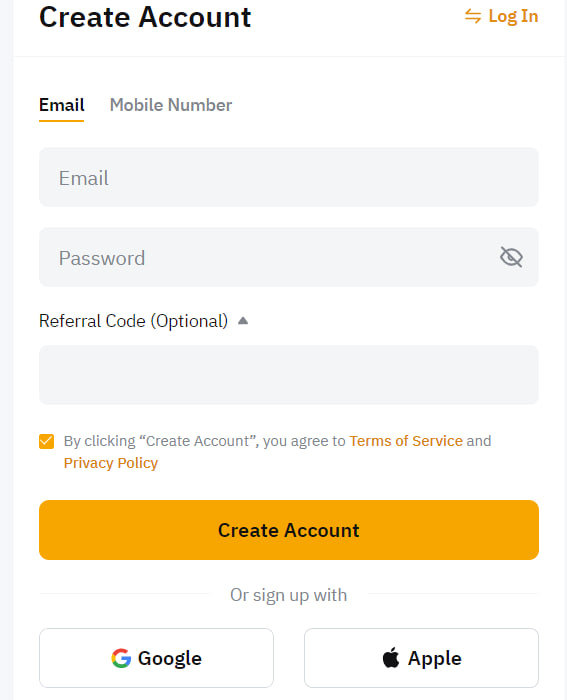
1. Visit the exchange website or download the mobile app from Google Play Store or Apple App Store
2. Click ‘Register’ or ‘Sign Up’
3. Enter your email address or phone number
4. Create a strong password (use a mix of letters, numbers, and symbols)
5. Verify your email or phone number through the confirmation code sent to you
6. Set up two-factor authentication (2FA) for enhanced security
Step 3: Complete KYC Verification
Know Your Customer (KYC) verification is required by most exchanges to comply with Nigerian regulations and prevent fraud. This process typically takes 10-30 minutes.
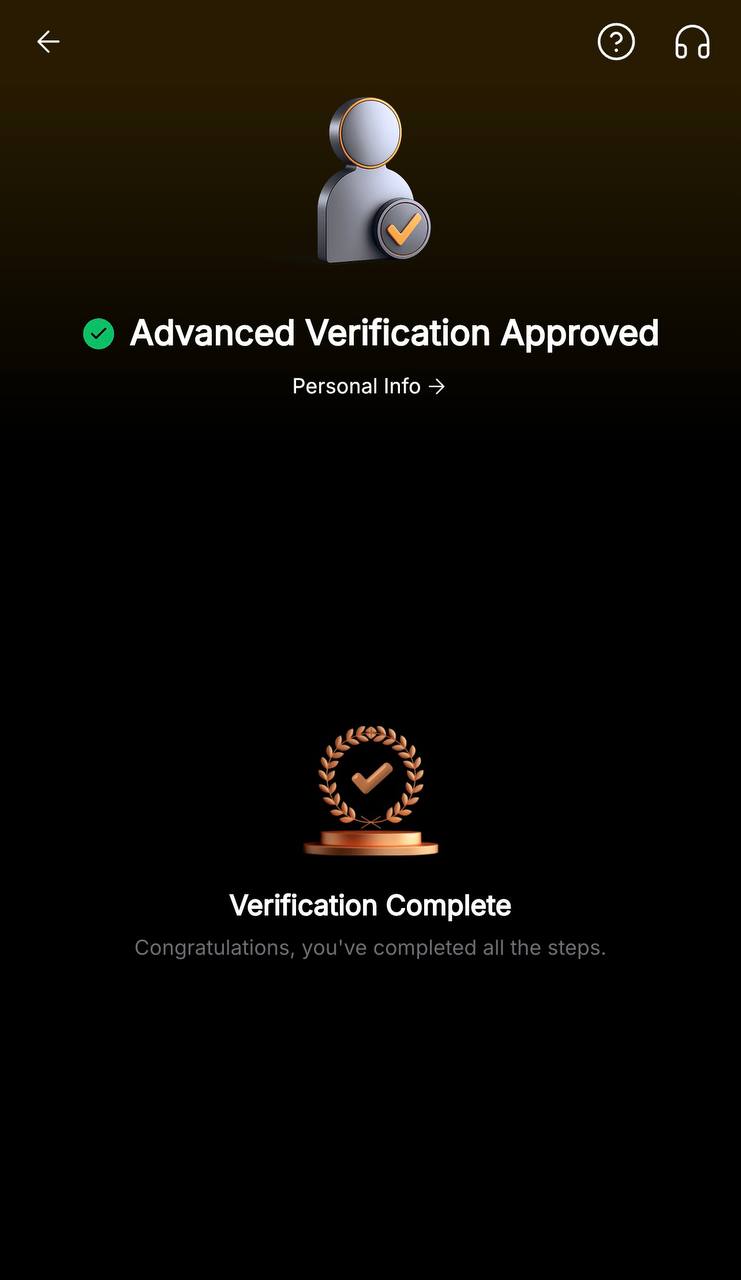
Documents needed:
• Valid government-issued ID (National ID, Driver’s License, or International Passport)
• Proof of address (utility bill or bank statement, usually not required for basic verification)
• Selfie for facial recognition
Verification process:
7. Navigate to the verification section in your account
8. Select your document type
9. Upload clear photos of your ID (front and back)
10. Take a selfie as instructed
11. Wait for approval (usually 5-30 minutes, can take up to 24 hours)
Important: Ensure your documents are clear, well-lit, and all details are visible. Blurry photos will delay your verification.
Step 4: Add a Payment Method
To buy Bitcoin, you need to link a payment method to fund your account or complete P2P transactions.
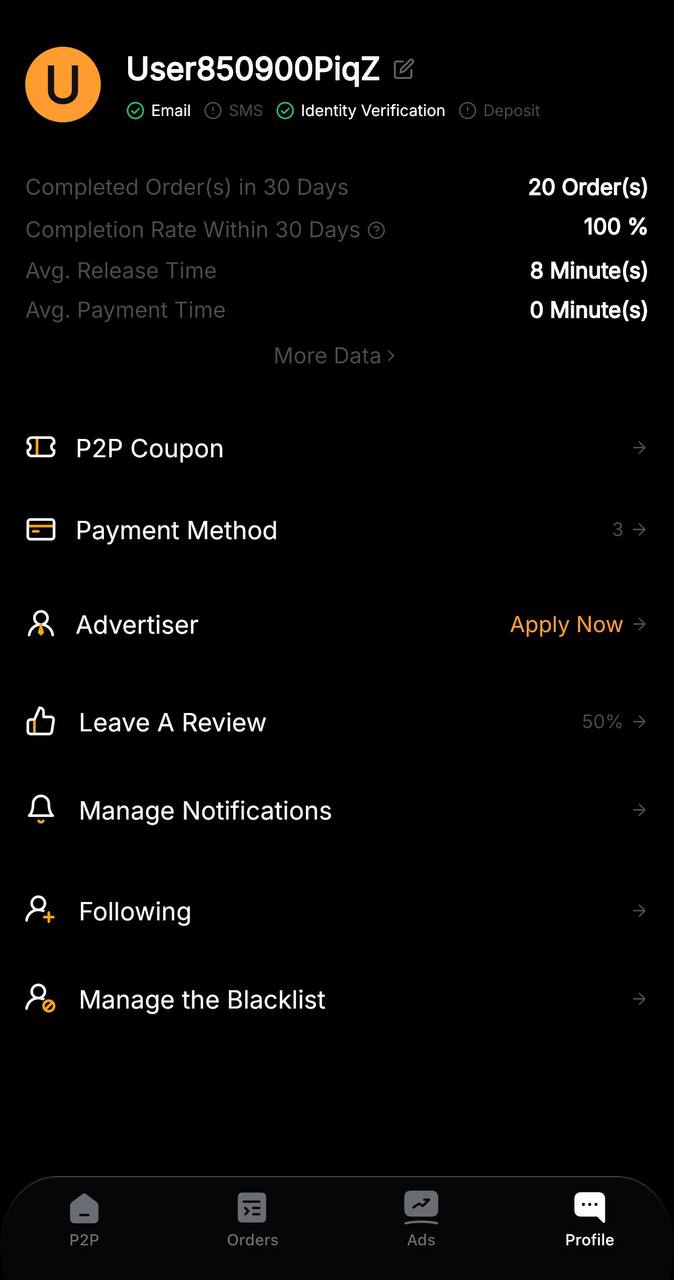
Available payment methods in Nigeria:
• Bank transfer: Most common method, instant or same-day processing
• Debit card: Instant purchases (higher fees, limited availability)
• Cash deposit: Some P2P sellers accept cash meetings (exercise extreme caution)
For Bybit P2P:
12. On the P2P trading page, Go to profile settings
13. Navigate to ‘Payment Methods’
14. Add your bank account details or other payment options
15. Verify your payment method (may require a small test transaction)
Step 5: Navigate to the Buy Section
Once your account is set up and verified, you’re ready to make your first Bitcoin purchase.
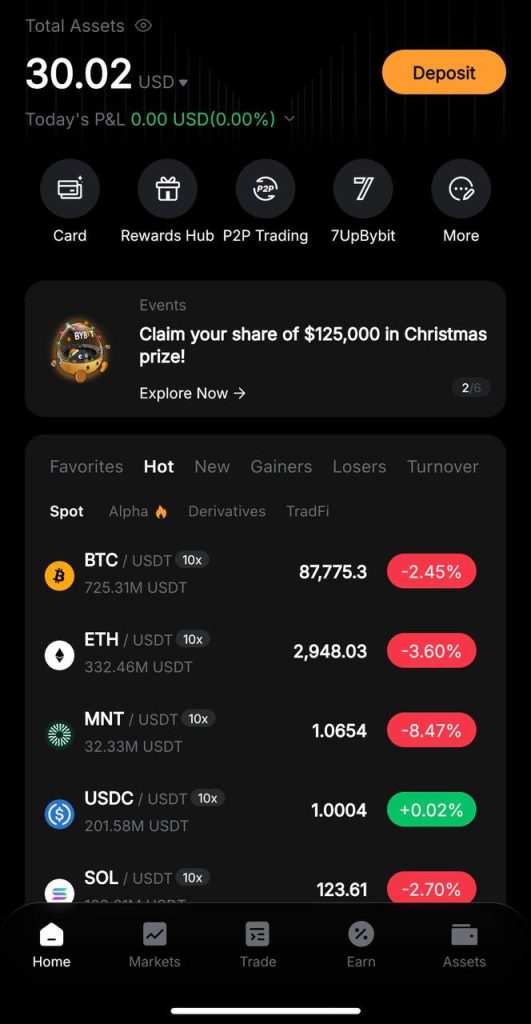
For Bybit P2P:
16. From the homepage, select ‘P2P Trading’
17. Choose ‘P2P’ as your trading method
18. Select ‘Buy’ tab
19. Choose ‘BTC’ (Bitcoin) as the cryptocurrency
20. Select ‘NGN’ (Nigerian Naira) as your payment currency
For traditional exchanges (like Luno or Quidax):
21. Click ‘Buy’ or ‘Buy Bitcoin’
22. Select your payment method
23. View the current exchange rate
Step 6: Choose Your Purchase Amount
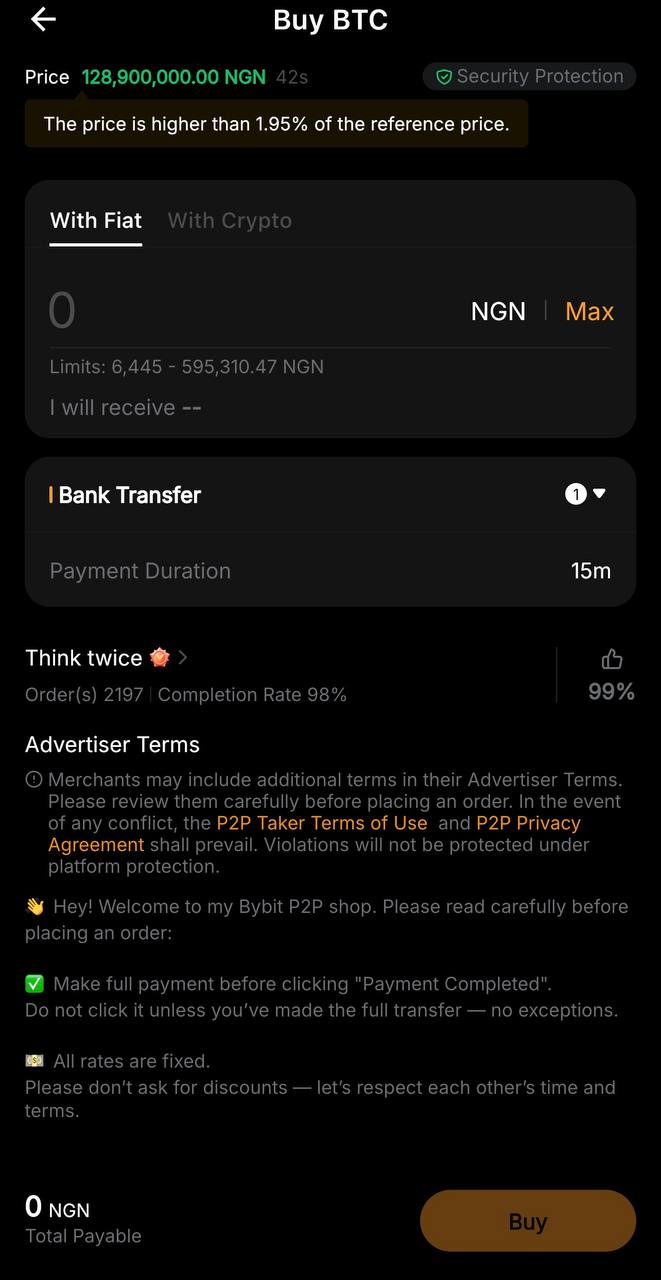
Decide how much Bitcoin you want to buy. You can purchase as little as ₦500 worth on most platforms.
For P2P platforms:
24. Browse available sellers and their offers
25. Check the seller’s completion rate (aim for 95%+ with 500+ trades)
26. Compare prices from different sellers
27. Check payment methods accepted
28. Enter your desired amount in NGN or BTC
For instant buy platforms:
29. Enter the amount in Naira you want to spend
30. Review the amount of Bitcoin you’ll receive
Step 7: Review and Confirm Your Order
Before finalizing your purchase, carefully review all transaction details.
Check these details:
• Total amount you’re paying in Naira
• Amount of Bitcoin you’ll receive
• Exchange rate
• Transaction fees (if any)
• Payment method
• Seller information (for P2P trades)
Once you’re satisfied with all details, click ‘Confirm’ or ‘Buy Now’ to proceed.
Step 8: Make Payment
This is where you send money to the seller (P2P) or to the exchange.
For P2P transactions:
31. Your Bitcoin will be held in escrow by the exchange for security
32. You’ll receive the seller’s bank account details
33. Open your banking app or visit your bank
34. Transfer the exact amount to the seller’s account
35. Take a screenshot of the payment confirmation
36. Return to the platform and click ‘Transferred, notify seller’
37. Upload payment proof if required
For instant buy platforms:
38. Funds will be automatically debited from your wallet or linked account
39. Bitcoin will be credited instantly or within minutes
Critical Warning: Only transfer money to the account details provided on the platform. NEVER send money to accounts shared via WhatsApp, Telegram, or any external communication. This is a common scam.
Step 9: Wait for Confirmation
After making payment, the seller needs to confirm receipt and release your Bitcoin.
What happens next:
• The seller receives notification of your payment
• Seller checks their bank account
• Once confirmed, seller releases Bitcoin from escrow
• Bitcoin is transferred to your exchange wallet
Typical waiting times:
• P2P trades: 5-30 minutes (depends on seller’s response time)
• Instant buy: Immediate to 5 minutes
Step 10: Receive Your Bitcoin
Congratulations! Once the seller releases the Bitcoin, it will appear in your exchange wallet.
Warning: No legitimate service will ever ask for your private keys or seed phrase. Never share your wallet seed or password. Also, if someone “releases” Bitcoin before you pay or vice versa, do not proceed. Always ensure funds clear in your own bank account. Experts emphasize: “Never share seed phrases… Use hardware wallets for large balances, and only keep small trading amounts online”.
Monitor your trades closely on P2P. The 2025 Breet P2P study found over 70% of Nigerian traders had lost money to P2P scams at least once. Fake payment proofs are rampant. Always confirm bank transfers yourself and use the platform’s chat/dispute tools if needed.
Tips for First-Time Crypto Buyers in Nigeria
Start Small: Only invest what you can afford to lose. Crypto can be volatile, so avoid putting in your life savings immediately. Do a few small trades first to get comfortable.
Use Reputable Platforms: Stick with exchanges known in Nigeria (Roqqu, Quidax, Luno) or big global ones. Verify you’re on the official site/app URL. Enable 2FA immediately.
Understand KYC and Limits: After signup, you may need to wait for identity verification before depositing. Some exchanges have daily limits. Plan accordingly.
Be Patient with Withdrawals: After buying, when you withdraw crypto to a wallet, it may take time (especially during network congestion). Don’t panic if it’s not instant.
Beware of FOMO: Don’t rush into “the next big coin” just because you saw hype. Scammers often create shiny new tokens. Stick to Bitcoin or large, established coins when starting.
Keep Learning: Follow reputable Nigerian crypto news (ChainUp, TechCabal, Nairametrics) and join local crypto communities. But always verify tips from multiple sources.
Tax and Reporting: As of 2026, know that Nigeria plans to tax crypto gains. Keep records of your trades in case reporting is required by the Nigerian authorities.
Frequently Asked Questions
What’s the minimum I can buy?
Most Nigerian crypto exchanges allow purchases starting from ₦500 to ₦1,000, making Bitcoin accessible to everyone.
How long does buying take?
First-time purchases take 30 minutes to a few hours. Subsequent purchases are faster, typically 5-15 minutes on P2P platforms or instant on exchange wallets.
Can I sell Bitcoin back to Naira?
Yes, all platforms that allow Bitcoin purchases also enable selling. Funds are typically deposited to your bank account within minutes to hours.
Conclusion: Start Your Bitcoin Journey Today
Buying Bitcoin in Nigeria has never been more accessible. With multiple reputable exchanges, various payment methods, and a thriving P2P market, you have everything needed to start safely.
Ready to begin? Choose your preferred exchange, create your account, and take your first step into Bitcoin today!
Read Also: Africa’s Crypto Boom: Bans That Backfired