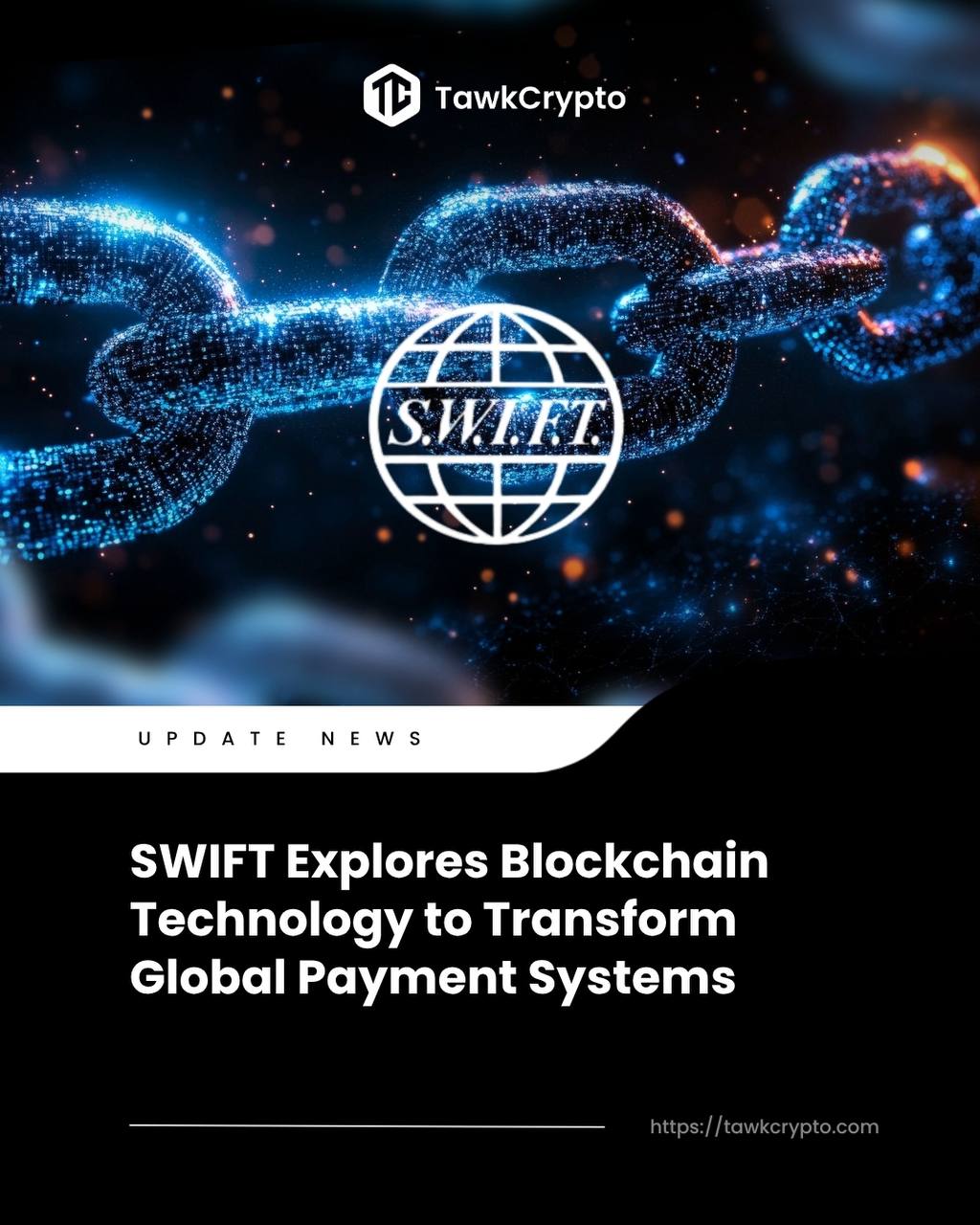
The Society for Worldwide Interbank Financial Telecommunication (SWIFT), which facilitates trillions of dollars in financial transactions daily, has announced plans to modernize its infrastructure through blockchain technology. The initiative involves collaboration with more than 30 major financial institutions across multiple continents, including several banks in Africa, as the organization seeks to address longstanding inefficiencies in international money transfers.
Real-Time Settlement on the Horizon
SWIFT’s primary objective centers on enabling real-time settlement of cross-border transactions, a significant departure from current processing times. Under the existing system, international payments typically require between one and four days to clear, creating liquidity challenges and uncertainty for businesses and individuals alike.
The proposed blockchain-based shared ledger would serve as a secure, real-time log of transactions between banks, designed to record, sequence, and validate transactions while enforcing rules through smart contracts. This technological upgrade represents one of the most significant transformations in SWIFT’s operational history since its establishment in 1973.
Digital Asset Compatibility in Development
Beyond accelerating settlement times, SWIFT is simultaneously working to ensure its infrastructure can accommodate the evolving landscape of digital finance. The organization is building upon ongoing pilot projects to make its systems compatible with various digital assets, including stablecoins, tokenized bank deposits, and central bank digital currencies (CBDCs).
This strategic move positions SWIFT to remain relevant as the financial industry increasingly embraces digital assets and distributed ledger technology.
Major Banking Partners Join the Initiative
The blockchain project has attracted participation from some of the world’s most prominent financial institutions. JPMorgan, HSBC, and Deutsche Bank are among the approximately 30 banks working directly with SWIFT to launch the digital ledger system. The collaboration also includes banking partners from the Middle East and Africa, reflecting the global scope of this modernization effort.
SWIFT currently serves as the backbone of international finance, connecting more than 11,500 member financial institutions across 200 countries. While no specific launch date has been announced, SWIFT has stated it is working “at pace” to incorporate the updated system into its operations.
Addressing Africa’s Cross-Border Payment Crisis
The implications of SWIFT’s blockchain initiative are particularly significant for African markets, where cross-border transactions remain prohibitively expensive and slow. According to recent data, sending money into Sub-Saharan Africa cost an average of 8.45% in fees during the third quarter of 2024.
The situation becomes even more challenging for intra-African transactions. The International Monetary Fund has documented transaction fees as high as 30% for money sent from Tanzania to neighboring countries like Uganda or Kenya. These exorbitant costs stem largely from the involvement of multiple intermediaries in traditional payment chains, which also contribute to extended settlement periods.
Blockchain technology offers a potential solution by enabling financial institutions to interact in a peer-to-peer manner, effectively removing several layers of intermediation. This structural change could dramatically reduce both costs and processing times for African businesses and individuals who depend on cross-border payments for trade, remittances, and investment.
Part of a Broader Industry Transformation
SWIFT’s move toward blockchain technology aligns with a growing trend among traditional financial services companies embracing distributed ledger technology and digital assets.
In July, Western Union, one of the world’s largest cross-border payment providers, announced it was testing stablecoin-based payment solutions specifically designed for African markets. Earlier in the year, global payments processor Stripe unveiled a system allowing businesses to send money across borders more quickly and affordably using stablecoin infrastructure.
These developments suggest the financial services industry is undergoing a fundamental shift in how it approaches cross-border transactions, with blockchain technology emerging as a key enabler of faster, cheaper, and more transparent international payments.
Technical Architecture and Smart Contracts
The proposed SWIFT blockchain system would leverage smart contracts, self-executing agreements with terms directly written into code, to automate and enforce transaction rules. This automation could significantly reduce the manual oversight currently required for international payments while minimizing errors and disputes.
The shared ledger approach means all participating institutions would have access to the same transaction data in real-time, creating unprecedented transparency and reducing reconciliation challenges that have historically plagued cross-border banking operations.
Implications for Global Commerce
The successful implementation of SWIFT’s blockchain initiative could have far-reaching consequences for global trade and finance. Businesses that rely on international supply chains could benefit from improved cash flow management as payment certainty increases. Small and medium-sized enterprises, which often bear the brunt of high transaction fees, could find cross-border commerce more accessible.
For developing economies, particularly in Africa, reduced transaction costs and faster settlement times could unlock new opportunities for economic integration and growth. The ability to conduct affordable intra-continental trade could strengthen regional economic communities and facilitate the implementation of agreements like the African Continental Free Trade Area.
Challenges and Considerations
While SWIFT’s blockchain exploration represents significant progress, several challenges remain. Regulatory harmonization across different jurisdictions will be critical, as blockchain-based payment systems must comply with varying national requirements for anti-money laundering, data privacy, and financial surveillance.
Additionally, the transition from SWIFT’s legacy systems to blockchain-based infrastructure will require substantial coordination among thousands of member institutions, each with different technological capabilities and operational priorities.
The absence of a confirmed launch date suggests SWIFT is taking a measured approach to ensure the system meets the rigorous security, reliability, and scalability standards required for global financial infrastructure.
Looking Forward
SWIFT’s blockchain initiative marks a pivotal moment in the convergence of traditional finance and distributed ledger technology. As one of the most established and trusted networks in global banking, SWIFT’s adoption of blockchain could accelerate broader acceptance of the technology across the financial services industry.
For stakeholders in African markets and other regions burdened by expensive and slow cross-border payments, the development offers hope for a more efficient and inclusive financial system. As SWIFT continues working with its banking partners to refine and deploy the blockchain-based ledger, the global financial community watches with keen interest.
The success of this initiative could redefine how money moves across borders in the 21st century, bringing the promise of faster, cheaper, and more transparent international transactions closer to reality.
Read also: South Africa Leads Global Bitcoin Adoption as 650,000 Merchants Enable Lightning Network Payments