South African investment giant Sygnia Ltd. implements strict portfolio allocation caps while Bitcoin gains momentum as a reserve asset across Africa’s financial landscape
Key Takeaways
Sygnia Ltd., managing $20 billion in assets, caps Bitcoin exposure at 5% of client portfolios
The Cape Town-based firm actively intervenes when clients attempt larger crypto allocations
Bitcoin has surged 82% over the past year, currently trading around $112,100
AltVest becomes first African publicly-listed company to add Bitcoin to treasury reserves
Contrasting approaches highlight Bitcoin’s evolving role in South African finance
South Africa’s crypto conversation just got more interesting. Cape Town-based Sygnia Ltd., the country’s largest independent asset manager with $20 billion under management, has issued a strong advisory to its clients: don’t put more than 5% of your portfolio into Bitcoin.
The warning comes despite surging demand for the company’s new crypto product, the Sygnia Life Bitcoin Plus fund, launched in June 2025. The fund tracks the iShares Bitcoin Trust ETF and has already attracted strong inflows from both retail and institutional investors.
Why Sygnia Is Urging Caution
Sygnia’s stance is simple: Bitcoin is a powerful long-term investment opportunity, but its volatility makes overexposure dangerous. The firm has gone as far as intervening when clients attempt to move large chunks of their portfolios into the Bitcoin fund.
The message?
“Bitcoin is an exciting asset class, but it should complement a diversified strategy, not dominate it.”
And the timing of this caution is notable. Over the past year, Bitcoin surged 82%, hitting fresh highs, but it has also pulled back by about 2.75%, trading near $112,100 at the time of writing.
A Tale of Two Strategies: Sygnia vs. AltVest
Sygnia’s conservative approach stands in sharp contrast with another major development in South Africa’s financial scene.
Earlier in 2025, AltVest, a Johannesburg-based investment firm, made headlines as the first publicly-traded company in Africa to add Bitcoin to its treasury reserves. By September, AltVest doubled down, rebranding itself as the “Africa Bitcoin Corporation”, sending a clear message: its long-term identity is now anchored around Bitcoin.
This marks a radical departure from Sygnia’s caution, showing the duality of Bitcoin’s role in South Africa’s economy:
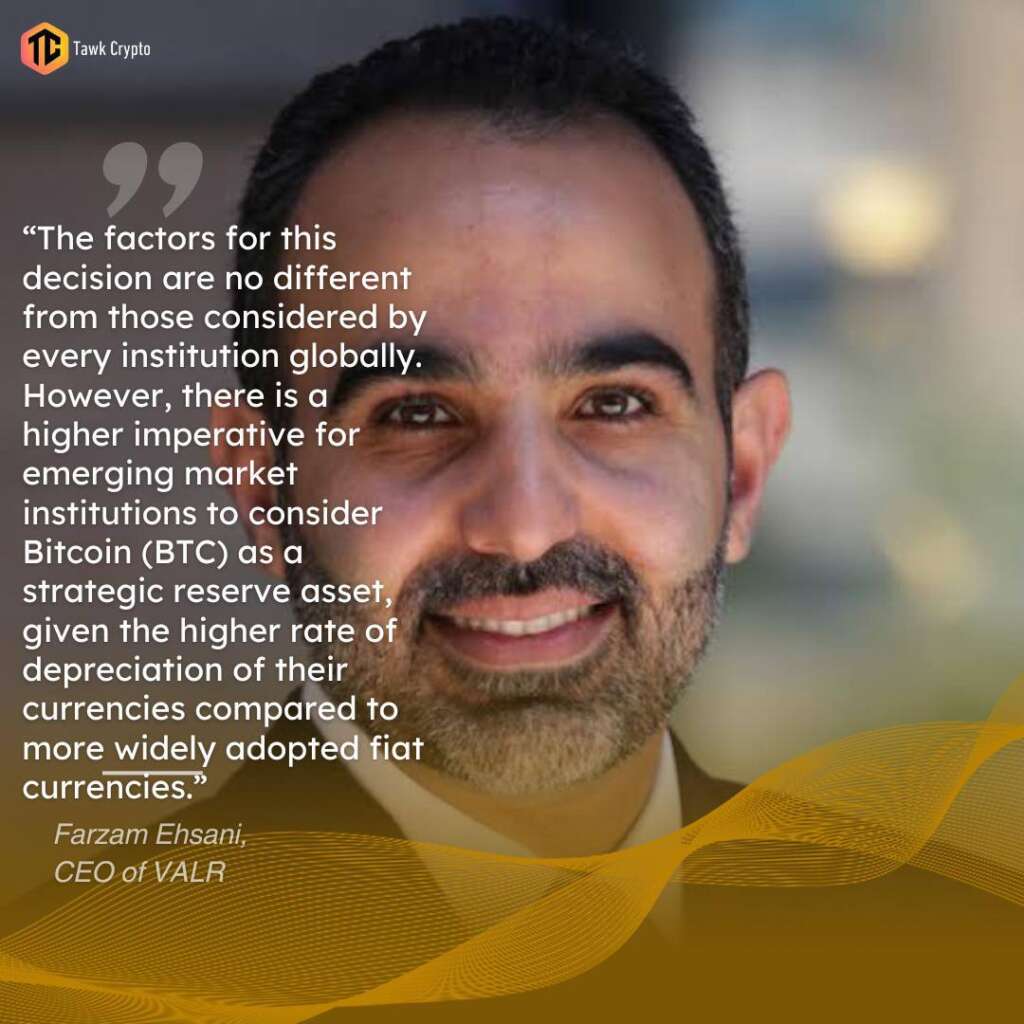
“Companies looking to hold cryptocurrencies in their reserves should focus solely on Bitcoin,” Ehsani emphasized earlier this year.
This perspective aligns with a broader trend: African firms and institutions are beginning to treat Bitcoin not just as an investment product, but as a reserve currency to back their balance sheets.
Conclusion
For everyday South African investors, these contrasting strategies underline one thing: Bitcoin is no longer fringe. It has entered the mainstream financial system, but the way you approach it depends on your risk appetite.
If you want exposure with safety, Sygnia’s approach, cap allocation at 5%, may be the prudent path.
If you believe in Bitcoin as a long-term hedge against inflation and a broken currency system, AltVest’s bold move shows where the future might be headed.
South Africa’s financial sector is witnessing a fascinating evolution in Bitcoin adoption, with established asset managers implementing careful risk controls while newer firms embrace cryptocurrency as a core strategic asset. As Bitcoin trading continues around the $112,100 level and institutional interest grows, South African investors have access to an increasingly diverse range of cryptocurrency investment options.
The key to success in this environment lies in understanding both the opportunities and risks that Bitcoin presents, while maintaining a disciplined approach to portfolio construction that aligns with individual risk tolerance and investment objectives.