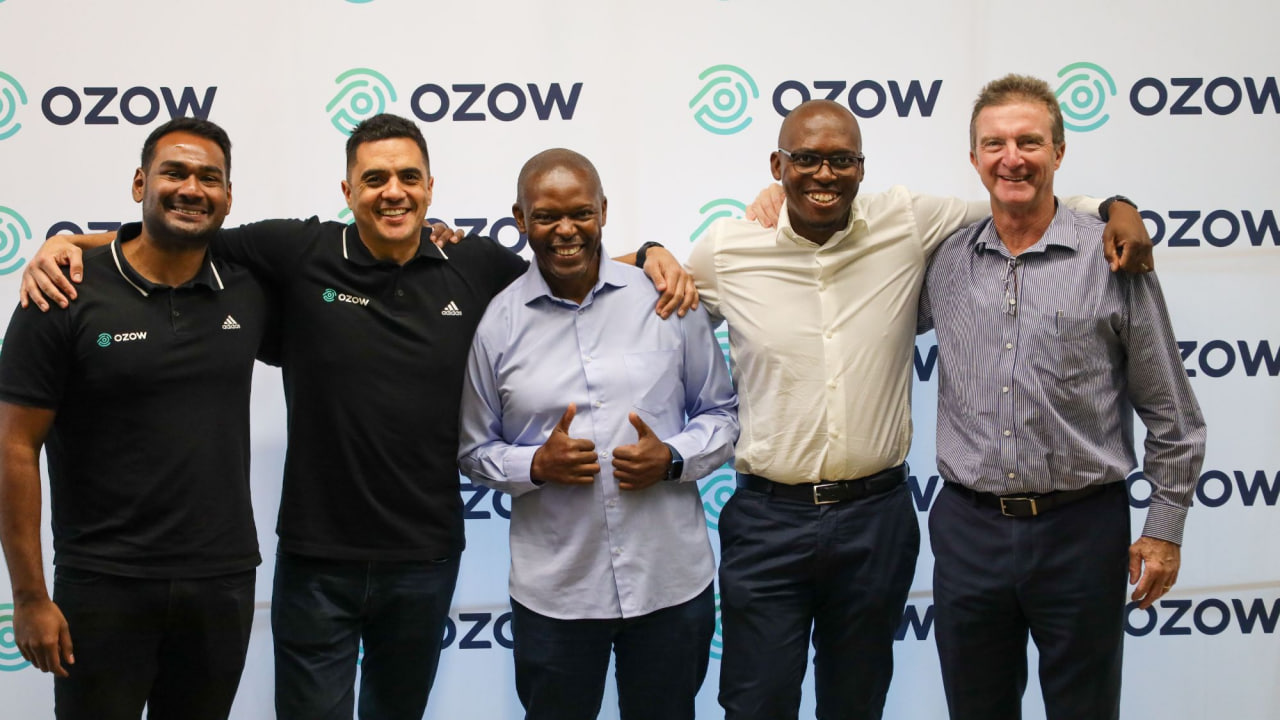
South Africa’s payments ecosystem is taking another decisive step toward mainstream crypto adoption asOzow, one of the country’s leading payment processing providers, officially integrates cryptocurrency as a primary payment option on its platform.
The move, powered through a partnership with MoneyBadger, a homegrown Bitcoin-focused payments technology provider, means South African consumers can now pay for everyday goods and services directly from their crypto wallets. The integration supports Bitcoin Lightning Network transactions alongside major exchange wallets including Luno, VALR, and Binance, with settlements processed instantly in South African Rand.
Breaking Down Barriers Between Digital and Traditional Finance
For years, cryptocurrency has existed in something of a parallel universe to traditional commerce. You could hold Bitcoin, trade it, or watch its value fluctuate, but using it to buy your groceries or pay for services remained frustratingly complicated for most people. Ozow’s latest integration aims to change that narrative.
“Our mission has always been to simplify the way South Africans pay and get paid, and the introduction of crypto is a natural extension of that commitment to financial enablement,” explained Rachel Cowan, Ozow’s interim CEO. “It is also just the start of our journey into digital assets.”
The integration slots cryptocurrency alongside Ozow’s existing payment methods, Pay by Bank, Card, Vouchers, Payout, Refund, and PayShap, creating what the company describes as a unified gateway for merchants to access every major payment method available in South Africa.
What This Means for South African Businesses
Perhaps the most compelling aspect of this development isn’t just that crypto payments are now available, but how seamlessly they’ve been integrated. Existing Ozow merchants can enable crypto payments immediately without requiring additional technical integration or development work.
The partnership structure between Ozow and MoneyBadger handles the complexity that has traditionally deterred merchants from accepting digital currencies. Most notably, businesses face zero volatility risk, a concern that has long plagued crypto commerce. Payments are instantly converted from cryptocurrency to South African Rand, meaning merchants receive stable, predictable revenue regardless of Bitcoin’s famous price swings.
“By bridging the gap between digital assets and everyday utility, we are providing consumers with greater choice and flexibility in how they interact with the digital economy,” Cowan noted. “For our merchants, this is about more than just a new payment method; it is about providing them with a frictionless gateway to a global, tech-forward market.”
There’s a financial incentive too. Cryptocurrency transaction fees typically undercut traditional credit card processing costs, allowing businesses to maintain healthier profit margins. In an economy where every basis point matters, this cost advantage could prove decisive for many merchants considering whether to adopt crypto payments.
Tapping Into a Tech-Savvy Customer Base
MoneyBadger CEO Carel van Wyk emphasized that the integration opens doors to a growing demographic of digitally-native consumers who already use cryptocurrencies for saving and spending.
“Like Ozow, digital token payments represent advantages to merchants like reduced fraud rates and access to a growing market of tech-savvy consumers that are already saving and spending digital currencies like Bitcoin,” van Wyk explained. “By working with Ozow, we are making it safe and simple for business owners to offer greater choice in payment options to their customers and stay ahead of the curve.”
The reduced fraud angle is particularly noteworthy. Cryptocurrency transactions, once confirmed on the blockchain, are irreversible and don’t carry the chargeback risks associated with credit card payments, a persistent headache for online merchants.
South Africa’s Growing Crypto Economy
Ozow’s move doesn’t exist in isolation. South Africa has emerged as one of Africa’s most active cryptocurrency markets, with adoption rates consistently ranking among the continent’s highest. The country’s blend of sophisticated financial infrastructure, mobile-first population, and economic challenges that drive interest in alternative financial systems has created fertile ground for digital currency adoption.
This integration represents what Cowan described as “a major step toward the mainstream adoption of digital assets in the retail and e-commerce sectors.” Rather than crypto remaining the domain of traders and tech enthusiasts, partnerships like this one push digital currencies into everyday commercial transactions.
The Broader Implications
What makes this development particularly significant is Ozow’s position in South Africa’s payment ecosystem. The company isn’t a niche crypto startup, it’s an established payment processor serving thousands of merchants across multiple industries. When a mainstream payment provider adds crypto functionality, it signals maturation of the technology rather than experimentation at the fringes.
The integration also addresses one of cryptocurrency’s fundamental challenges: the last-mile problem of actually spending digital assets. Crypto enthusiasts have long touted the technology’s potential, but for years, the gap between holding cryptocurrency and using it for daily transactions remained frustratingly wide. Solutions like Ozow’s chip away at that gap.
For consumers, the proposition is straightforward: use the payment method you prefer, whether that’s traditional banking, cards, or cryptocurrency. For merchants, it’s about meeting customers where they are and potentially accessing new revenue streams without operational complexity or financial risk.