Chainalysis has released its 2025 Regulatory Roundup, analyzing global and regional developments in the cryptocurrency regulatory and policy landscape.
In the regional section of the report, South Africa stands out as the leader in crypto supervision across sub-Saharan Africa, despite not having a single, comprehensive crypto legal framework.
The report identifies several recent and ongoing initiatives, including the classification of crypto assets as financial products, a growing number of licensed Crypto Asset Service Providers (CASPs), and policy work on stablecoins led by the South African Reserve Bank (SARB).
Across other major African crypto markets such as Kenya and Nigeria, regulatory authorities are increasingly paying closer attention to stablecoins, their impact on local economies, and compliance with anti-money laundering and counter-terrorism financing (AML/CFT) requirements.
FSCA’s Classification of Crypto Assets as Financial Products
South Africa was among the first African countries to formally recognize cryptocurrency within its financial regulatory framework in 2022.
At the time, the country was already experiencing rapid crypto adoption. According to the Chainalysis Global Adoption Index 2022, South Africa ranked 30th globally, with an estimated 10–13% of the adult population holding crypto assets.
Though South African regulators initially expressed caution, extensive stakeholder engagement led to the Financial Advisory and Intermediary Services (FAIS) Act, classifying cryptocurrency as financial products.
The Act defines crypto assets as a digital representation of value that is not issued by a central bank but can be traded, transferred, or stored electronically for purposes of payment, investment, or other utility.
The Financial Sector Conduct Authorities (FSCA) emphasized that this classification does not confer legal tender status on cryptocurrencies. However, it empowered authorities to tackle crypto scams and protect consumers, which was not previously possible.
Licensing of Crypto Asset Service Providers
In parallel with the FAIS Act, the FSCA published a policy document outlining plans to establish a mandatory licensing requirement for companies providing crypto asset services to become Financial Service Providers (FSPs).
The FSP license is typically issued in two categories. The first category of license is issued to CASPs that offer advisory and intermediary exchange services, while the second category covers investment management activities.
The document initially set a deadline from June to November 2023 to apply for the FSP license. The FSCA has continued to process and grant licenses to CASPs that meet requirements related to business conduct, financial soundness, and operational capability.
By the end of 2024, 420 crypto firms had applied for the FSP license, of which the FSCA approved 240 applications, including those from prominent companies like VALR, Luno, and Kotani Pay.
South African Reserve Bank’s Policy Positions
Despite South Africa’s comparatively open stance toward cryptocurrencies, the SARB has maintained a cautious and analytical policy position, particularly in relation to the country’s economy.
The bank published a Financial Stability Review, noting that while cryptocurrencies have captured the market, stablecoins have emerged as the most traded virtual assets.
The report identified stablecoins as emerging risks to the financial economy, warning that the absence of a stablecoin and crypto regulation framework may enable these risks to bypass regulatory oversight.
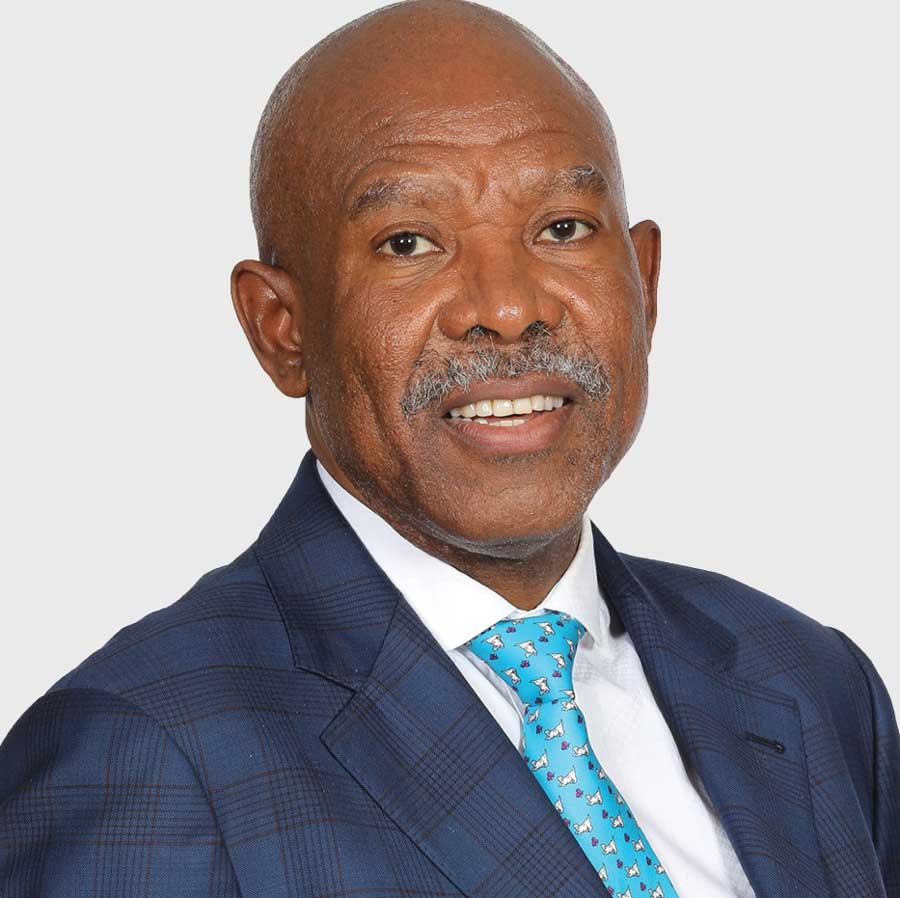
This report followed the governor of the bank’s statement that USD-pegged stablecoins could pose a threat to the monetary sovereignty of African states in an interview.
The SARB has also stated its position on the adoption of Central Bank Digital Currency (CBDC). In a policy document on CBDCs, the bank reiterated that a digital rand was not an immediate priority; rather, the country’s focus will be on modernizing its payment infrastructure.
The document revealed the result of a feasibility study conducted to examine the appropriateness of a retail CBDC as a legal tender, which noted that though CBDC showed potential in scaling the country’s financial system, it does not meaningfully contribute to solving South Africa’s most pressing financial challenges at the moment.
This position underscores South Africa’s broader regulatory strategy to advance innovation while taking into consideration regulatory oversight and economic realities.
Where Africa Stands
According to the Chainalysis report, Sub-Saharan Africa is the world’s third-fastest-growing cryptocurrency region, with on-chain transaction volumes increasing by more than 50% year-over-year.
On-chain activity is largely dominated by transactions under $10,000, showing strong use cases in remittances, payments, and financial services.
In response to rapid adoption, regulators across the continent are intensifying engagement with industry stakeholders to implement effective oversight and regulatory mechanisms.
While countries like Kenya and Ghana have progressed to the regulatory stage with the enactment of a comprehensive Virtual Assets Service Provider (VASP) act, other major crypto markets like Nigeria and South Africa are in the process and are currently using laws related to securities, tax, and AML/CFT to bring exchanges and entities trading crypto under regulatory supervision.
Africa is increasingly recognizing the importance of crypto regulation and is positioning itself to compete globally, alongside more mature crypto regulatory markets in Europe and North America.