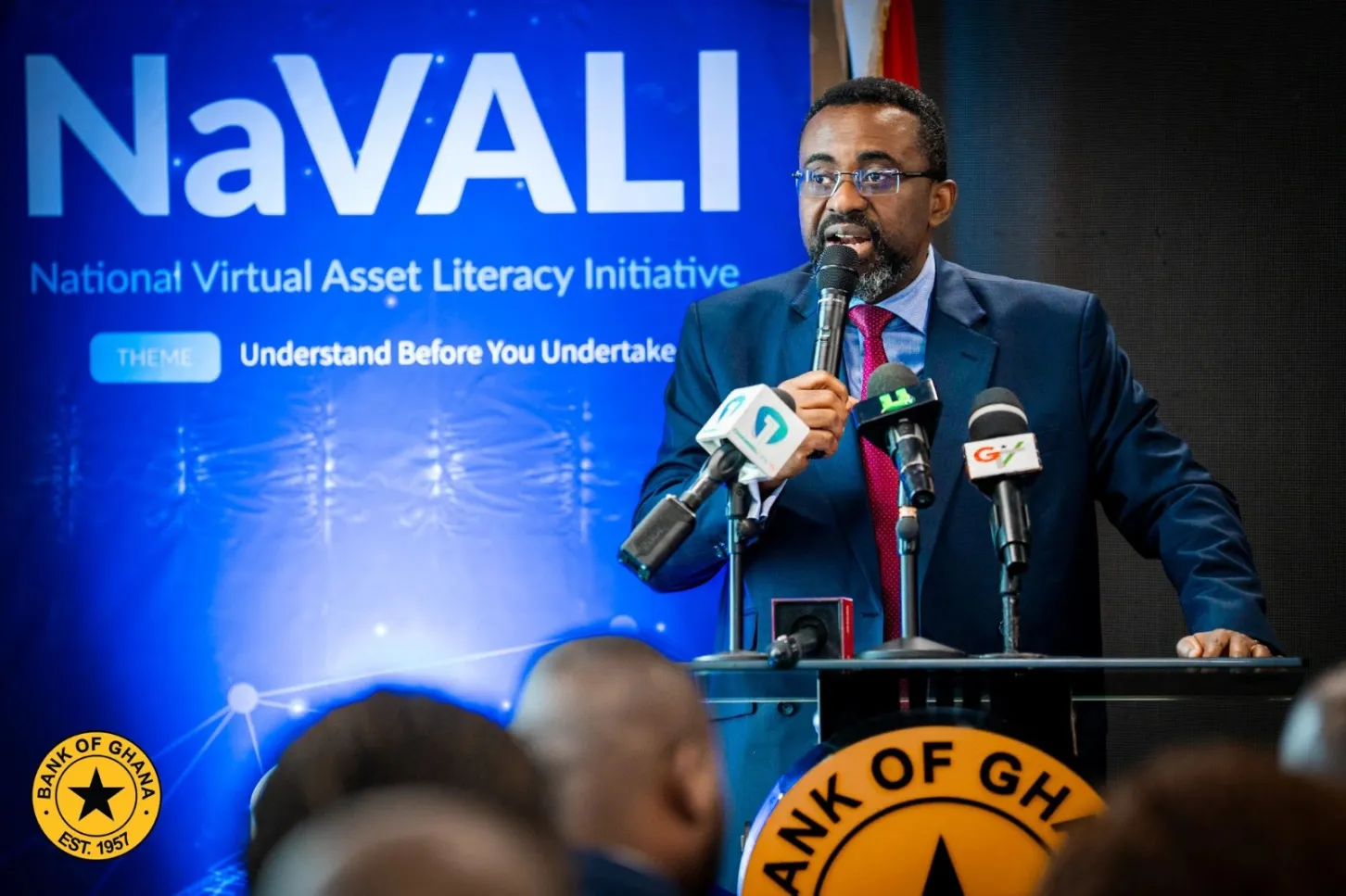
Ghana’s central bank has taken a significant step toward building a transparent and secure digital asset ecosystem by launching the National Virtual Asset Literacy Initiative (NaVALI), a comprehensive education program designed to demystify cryptocurrencies and blockchain technology for everyday citizens.
The announcement, made by Bank of Ghana Governor Dr. Johnson Pandit Asiama via LinkedIn, signals a strategic shift in how African financial regulators are approaching the crypto revolution, not through restriction alone, but through informed empowerment.
Education Before Enforcement: Ghana’s Unique Approach
“Laws don’t build trust, education does,” Dr. Asiama stated in his announcement, capturing the essence of Ghana’s pragmatic regulatory philosophy. Rather than simply imposing rules on an increasingly tech-savvy population, the central bank recognizes that lasting compliance and consumer protection require genuine understanding.
NaVALI targets a broad spectrum of Ghanaians, from small business owners and educators to regulators and individual investors, offering practical, accessible knowledge about virtual assets including cryptocurrencies, stablecoins, and blockchain-based financial tools. The initiative deliberately avoids technical jargon, making complex concepts digestible for those without specialized backgrounds.
This educational push comes at a critical moment. Ghana’s crypto market has grown rapidly over the past few years, driven by remittances, youth entrepreneurship, and the search for alternative investment opportunities amid economic uncertainty. However, this growth has occurred largely outside formal regulatory structures, creating vulnerabilities around consumer protection and financial stability.
From Informal Markets to Structured Regulation
NaVALI doesn’t exist in isolation. It represents the softer side of Ghana’s comprehensive strategy to bring digital assets into the mainstream financial system, complementing a series of regulatory milestones that have unfolded over the past year.
The Regulatory Timeline
July 2025: The Bank of Ghana issued a mandatory registration directive requiring all Virtual Asset Service Providers (VASPs) to register by August 15, 2025. This registration exercise served as a mapping operation, helping regulators understand the size, scope, and characteristics of Ghana’s crypto ecosystem before implementing full licensing requirements.
December 2025: Parliament passed the landmark Virtual Asset Service Providers (VASP) Bill into law, establishing Ghana’s first comprehensive legal framework for digital asset services. The legislation formally empowers both the Bank of Ghana and the Securities and Exchange Commission (SEC) to license, supervise, and enforce standards across crypto platforms operating in the country.
Under this new legal framework, virtual assets remain non-legal tender in Ghana, meaning they cannot be used to settle debts or taxes, but crypto businesses now operate within clearly defined regulatory boundaries designed to balance innovation with consumer protection and financial integrity.
Enforcement Gets Real: The Compliance Deadline Approaches
Ghana’s regulators have made it abundantly clear that the grace period for informal crypto operations is ending. Throughout 2025, authorities issued public warnings and enforcement notices targeting platforms operating without proper authorization, signaling a transition from tolerance to active supervision.
As the transitional period under the VASP Act winds down, regulators have outlined stringent penalties for non-compliance, including:
- Administrative fines calibrated to the severity of violations
- Temporary suspension of operating licenses
- Complete revocation of permissions for serious or repeat offenders
These enforcement mechanisms aren’t merely theoretical. They reflect Ghana’s commitment to protecting consumers from fraud, scams, and the financial instability that can plague unregulated markets. The message is unambiguous: play by the rules or face meaningful consequences.
What Comes Next
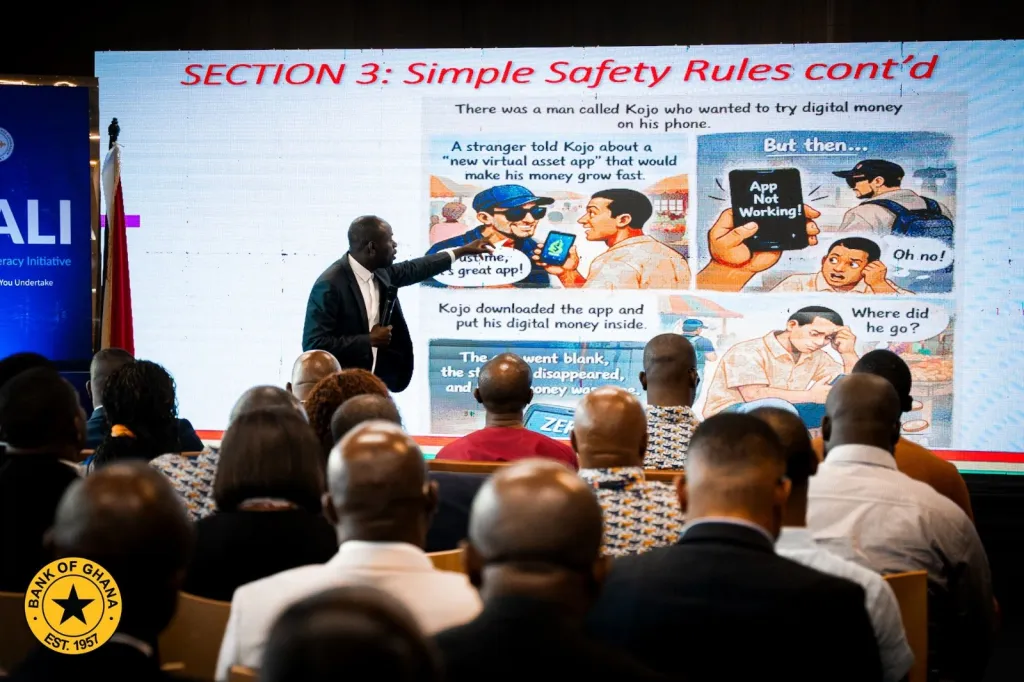
As NaVALI rolls out its nationwide programs through schools, community centers, and online platforms, the Bank of Ghana and SEC will continue building the operational infrastructure needed to support the new regulatory regime.
This includes developing compliance monitoring systems, establishing licensing procedures, creating reporting requirements for VASPs, and coordinating with international regulatory bodies to align Ghana’s standards with global best practices.
For Ghana’s crypto community, both businesses and users, the path forward is clear: engage with the education initiative, ensure compliance with registration and licensing requirements, and participate in building a sustainable digital asset ecosystem that serves the broader public interest.
The stakes are high. Get it right, and Ghana could unlock significant economic benefits from blockchain innovation while protecting consumers. Get it wrong, and the country risks either stifling innovation through over-regulation or enabling the kind of fraud and instability that erodes public trust.
By leading with education, Ghana’s regulators are betting that an informed citizenry will be the foundation for everything else that follows, sustainable innovation, effective enforcement, and genuine financial inclusion in the digital age.