In a remote part of Zambia, Bitcoin mining is doing more than verifying blockchain transactions—it’s bringing electricity to underserved communities. A recent BBC Africa report shed light on a groundbreaking partnership between a hydropower plant and a Bitcoin mining company, revealing how crypto can fuel local development in emerging markets.
How Bitcoin Mining Is Powering Rural Zambia
In a small rural town in Zambia, residents like Damian are experiencing electricity for the first time, thanks to an unlikely ally: Bitcoin mining.
The driving force behind this change is the Zenamina Hydropower Plant, a mini-grid project built to serve off-grid communities. But like many renewable energy projects in remote areas, it faced a critical challenge: “stranded power” energy that is generated but goes unused due to low local demand.
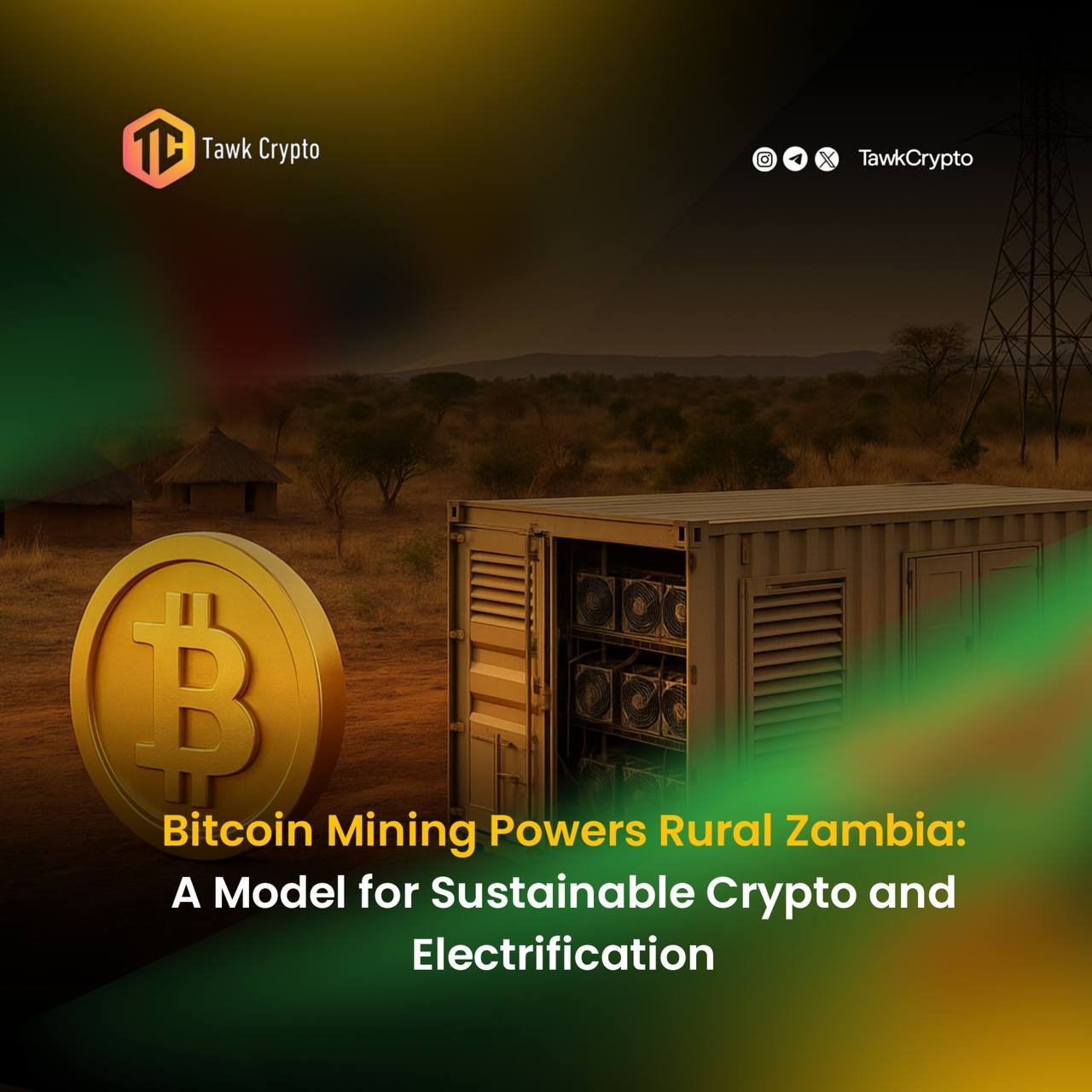
To solve this, Zenamina partnered with Gridless, a Bitcoin mining company. Together, they launched a containerized mining facility on-site, housing around 120 specialized computers that verify transactions on the Bitcoin network in exchange for newly minted coins.
Solving the “Stranded Power” Problem with Crypto
Before this collaboration, over 50% of the hydropower plant’s energy went to waste. With Bitcoin mining now consuming excess capacity, the plant generates additional revenue—enabling it to:
- Maintain financial sustainability
- Keep electricity prices affordable for locals
- Fund infrastructure upgrades
Currently, 30% of Zenamina’s revenue comes from the mining operation, making it a vital contributor to the plant’s success.
A Balanced Approach: Mining Meets Mission
Unlike large-scale industrial mining outfits, Gridless takes a community-first approach. The primary focus of the hydropower plant remains electrifying homes and businesses. In fact, Gridless notes that selling energy locally is more profitable than mining Bitcoin over time—highlighting the company’s commitment to long-term development over short-term crypto gains.
“Mining isn’t the end goal—it’s a catalyst for infrastructure growth,” said a Gridless representative.
The operation includes a repair workshop for the specialized machines, ensuring downtime is minimized despite the remote location.
What’s Next: Grid Expansion and New Models
Zenamina is planning to expand its grid and sell power to Zambia’s national network, which may require Gridless to relocate its mining setup. However, this isn’t a setback—it’s part of Gridless’ broader plan.
The company aims to build its own mini-grid plants, using Bitcoin mining as an anchor tenant that helps subsidize early-stage energy projects. This could become a replicable model for electrifying other underserved regions across Africa.
A New Narrative for Bitcoin Mining
Bitcoin mining often faces global scrutiny for being energy-intensive and environmentally harmful. But in Zambia, the picture is more complex. Here, crypto mining:
- Utilizes clean, renewable hydroelectric power
- Prevents energy waste
- Generates income for sustainable development
- Brings power to people who’ve never had it before
It’s a compelling case for rethinking how crypto infrastructure can integrate with local needs—especially in emerging markets where electricity access remains a major barrier to economic growth.
Key Takeaways
- Bitcoin mining can support rural electrification by consuming excess renewable energy.
- Hydropower + crypto creates a sustainable revenue stream for mini-grid operators.
- Balanced models, like Gridless and Zenamina, show that crypto doesn’t have to compete with communities, it can empower them.
- Zambia’s case could become a blueprint for sustainable mining across Africa.